What Businesses Should Know About Commercial Oil Boiler Installation
Businesses seeking commercial oil boiler installation can rely on local contractors to ensure proper setup, compliance, and efficient heating system performance.
If your business relies on a reliable heating system, understanding what businesses should know about commercial oil boiler installation can be essential for maintaining operational efficiency. Property owners in the area often find that choosing the right installation process ensures consistent performance and helps avoid unexpected disruptions. With many local contractors experienced in commercial boiler setups, exploring this topic can help you make informed decisions that support your business’s heating needs and overall property management.
Keeping informed about the key considerations of commercial oil boiler installation allows property owners to better navigate the process and work effectively with local service providers. Whether upgrading an existing system or installing a new one, knowing what to expect from professional installation services can lead to smoother project execution. As you continue reading, you'll find practical insights into how local contractors can assist with this important investment, ensuring your business’s heating system is set up for reliable, long-term operation.
- businesses considering commercial oil boiler installation can rely on local contractors to evaluate their heating needs and recommend appropriate solutions. - when upgrading or replacing an outdated boiler, local service providers assess existing systems and ensure proper installation procedures are followed. - new commercial properties requiring heating systems often work with local pros to design and install oil boilers that meet building specifications. - routine maintenance or repairs of oil boilers in commercial settings are handled by local experts to ensure continued efficiency and operation. - businesses expanding their facilities may need professional installation of additional or larger oil boilers, with local contractors managing the process.
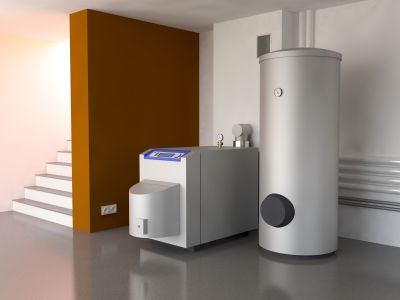
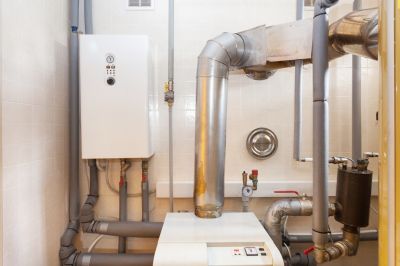
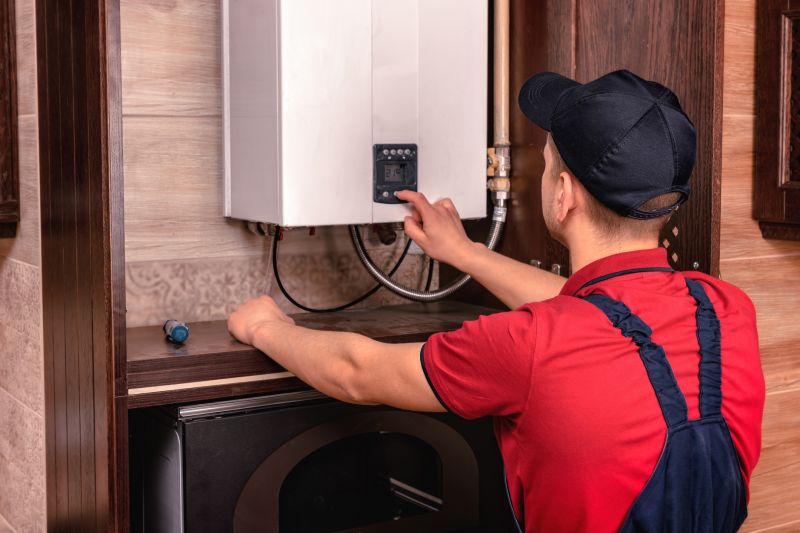
When searching for information about commercial oil boiler installation, most people are looking to understand what the process involves and how it applies to their business property. This topic often comes up when a business owner is considering upgrading an outdated heating system, replacing a broken boiler, or installing a new heating solution to improve efficiency and reliability. The focus is typically on understanding the scope of work, the types of equipment involved, and the benefits of working with experienced service providers. Business owners want practical insights into how the installation impacts their operations, what to expect during the process, and how local contractors can help ensure a smooth, effective upgrade.
Commercial oil boilers are commonly used in a variety of property types that require large-scale heating solutions. These include industrial facilities, warehouses, retail centers, office buildings, and sometimes multi-tenant commercial complexes. Such properties often have higher heating demands and require robust, durable systems capable of providing consistent warmth over long periods. The installation process for these boilers involves careful planning around existing infrastructure, space considerations, and compliance with local building codes. Understanding the types of properties that typically need commercial oil boilers helps business owners recognize whether their space is suited for this type of heating system and how local service providers can assist with the installation.
The process of installing a commercial oil boiler is often linked to broader plans for upgrading or expanding a business’s heating capacity. Problems that prompt installation include aging or inefficient systems that increase operational costs, or new property developments that require reliable heat sources. Some plans involve replacing outdated equipment with newer, more efficient models to reduce fuel consumption or meet updated building standards. In other cases, businesses may need to install a boiler for the first time due to new construction or renovation projects. Local contractors specializing in commercial oil boiler installation play a crucial role in assessing property needs, selecting appropriate equipment, and ensuring the installation aligns with the property’s operational requirements.
For business owners, understanding what to expect from commercial oil boiler installation is essential for planning and decision-making. Local service providers can evaluate the property’s layout, determine the appropriate boiler size, and advise on optimal placement to maximize efficiency and accessibility. They handle the technical aspects of installation, including connecting the boiler to existing fuel and heating systems, and ensuring compliance with safety and building standards. Engaging experienced local contractors helps ensure the project proceeds smoothly and that the new system meets the specific heating demands of the property. This connection to local pros provides peace of mind, knowing that the installation is handled by knowledgeable professionals familiar with the area's regulations and best practices.
Commercial heating system upgrades - projects involving the installation or replacement of large-scale heating units, which require similar planning and technical skills as oil boiler installation.
Fuel storage tank installation - work that involves safely installing and configuring fuel tanks for heating systems, closely related to the setup of oil boilers in commercial settings.
Hydronic heating system setup - projects that involve designing and installing systems that circulate hot water, sharing technical knowledge with oil boiler installation processes.
Industrial boiler installation - large-scale boiler projects that demand similar expertise in system integration, safety considerations, and planning as commercial oil boiler setups.
Plumbing and pipework installation - work that supports boiler systems, requiring precise piping skills and planning comparable to oil boiler installation services.
Building heating controls installation - projects involving the setup of thermostats and control systems, which are integral to the operation of commercial oil boilers and similar heating equipment.
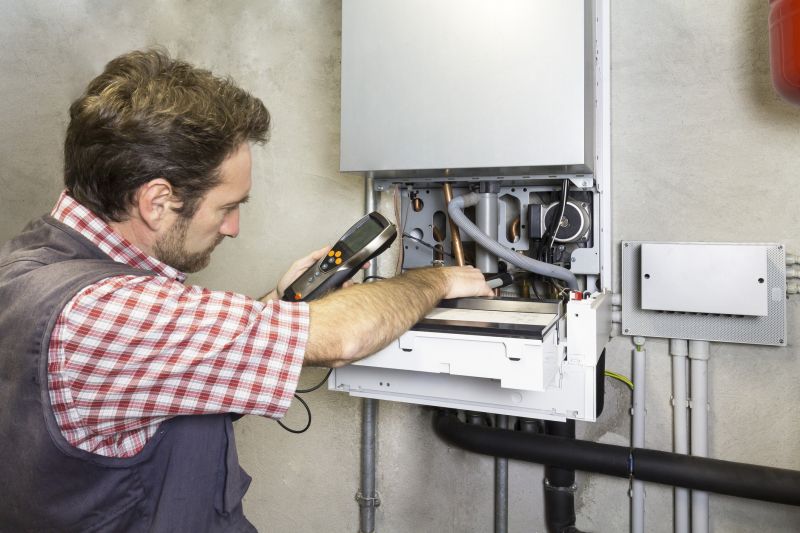
When evaluating service providers for commercial oil boiler installation, it is important for businesses to consider the experience of local contractors with similar projects. An experienced professional will have a deeper understanding of the specific requirements and challenges associated with commercial systems, which can contribute to a smoother installation process. Asking potential contractors about their past work on comparable projects can provide insight into their familiarity with the complexities involved, helping to ensure the chosen provider has the necessary background to handle the job effectively.
Clear, written expectations are essential when selecting a service provider for oil boiler installation. This includes detailed scope of work, project timelines, and responsibilities, which can help prevent misunderstandings and ensure everyone is aligned on the project's goals. Reputable local contractors often provide comprehensive proposals or contracts that outline these expectations, giving businesses a clear framework for the work to be performed. Having this clarity upfront can facilitate smoother communication and foster a more transparent working relationship throughout the project.
Good communication and reputable references are key indicators of a reliable service provider. Local contractors who communicate clearly and promptly demonstrate professionalism and respect for the client’s needs. Additionally, seeking references from previous clients can offer valuable insights into the contractor’s reliability, quality of work, and ability to complete projects on time. Connecting with references can help businesses gauge the contractor’s reputation and ensure they are engaging with a provider who is known for delivering consistent, satisfactory results in commercial oil boiler installation projects.
Property owners often search for what businesses should know about commercial oil boiler installation when they are planning practical projects around their homes and businesses. Local pros provide Oil Boiler Installation services for everyday jobs and straightforward project options.
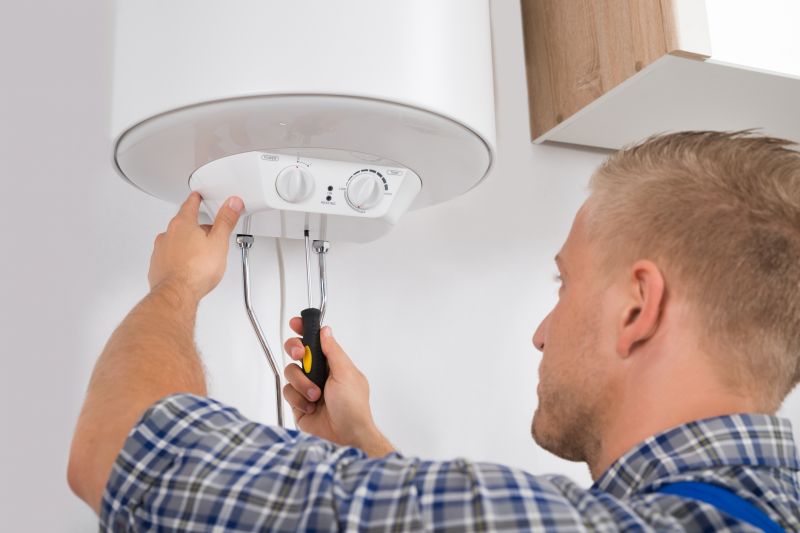

Understanding what businesses should know about commercial oil boiler installation is essential for property owners considering upgrades or replacements. In everyday project situations, local contractors often assist with assessing the existing heating setup, ensuring the new boiler meets the property's specific needs, and managing the installation process smoothly. Property owners might seek out these services to improve energy efficiency, reduce ongoing maintenance issues, or comply with local regulations, making it important to work with experienced service providers who understand the unique requirements of commercial settings.
Many property owners turn to local service providers to handle the complexities of commercial oil boiler installation, especially when navigating space constraints or integrating new equipment into existing infrastructure. These professionals can offer guidance on selecting the right boiler type, managing permits, and ensuring proper installation practices. For businesses, partnering with local contractors helps streamline the project, avoid common pitfalls, and ensure the installation aligns with operational goals-all while relying on trusted experts familiar with the area’s specific building codes and standards.
What should businesses consider before installing a commercial oil boiler? Businesses should evaluate their heating needs, space availability, and ensure they work with experienced service providers who can handle commercial oil boiler installation properly.
Why is professional installation important for commercial oil boilers? Professional installation ensures safety, proper system performance, and compliance with local regulations, which are critical factors for businesses relying on efficient heating systems.
What are common challenges during commercial oil boiler installation? Common challenges include space constraints, integration with existing systems, and ensuring proper fuel supply connections, all of which qualified service providers can manage effectively.
How can businesses prepare for commercial oil boiler installation? Businesses should clear the installation area, provide access for service providers, and communicate their heating requirements to ensure a smooth installation process.
What should businesses know about working with local contractors for oil boiler installation? It's important to verify that local contractors have experience with commercial systems, understand local codes, and can deliver quality work to ensure long-term reliable operation.
Assessing boiler capacity needs - property owners should evaluate their heating demands to ensure the commercial oil boiler installed by local contractors matches the building’s size and usage.
Planning for proper placement - considering space, accessibility, and ventilation helps optimize boiler operation and maintenance with guidance from local service providers.
Understanding installation requirements - knowing the necessary connections, fuel supply, and safety measures allows property owners to prepare for a smooth installation process with local pros.
Ensuring compliance with regulations - staying informed about local codes and standards helps property owners work with contractors to meet all legal and safety requirements during installation.
If you are thinking about what businesses should know about commercial oil boiler installation for a property, this guide is meant to help you understand this topic, the typical project types, and how different options might fit your plans.
When you are ready, you can use the quote form on this page to share a few details about your project. From there, local pros can review the basics and follow up with options that match what you have in mind.